


Wall Street started 2026 on a positive note, with major indexes posting modest gains in the first trading session of the year on January 2. The Dow Jones Industrial Average rose 0.66% to close at 48,382.39, while the S&P 500 edged up 0.19% to 6,858.47. The Nasdaq Composite finished nearly flat, dipping 0.03% to 23,235.63, as tech heavyweights showed mixed performance amid ongoing AI enthusiasm.
Investors shook off a late-2025 pullback, buoyed by strength in semiconductor stocks like Nvidia and Intel, which helped lift sentiment. Chipmakers rallied sharply, with the Philadelphia Semiconductor Index surging, reflecting continued optimism around artificial intelligence and technology spending. However, gains were tempered by declines in consumer discretionary names, highlighting selective buying in the market.
This upbeat open comes after a strong 2025, where the S&P 500 climbed over 16%, marking the third straight year of double-digit advances. Analysts largely expect more upside in 2026, with consensus targets pointing to the S&P 500 reaching around 8,000 by year-end – implying potential gains of 15-16%. Earnings growth is projected at 15.5%, driven by resilient corporate profits and broadening participation beyond Big Tech.
Yet clouds are gathering on the horizon. President Trump’s tariff policies remain a wildcard, with economists warning of potential headwinds. Studies from the Federal Reserve indicate that previous tariffs reduced affected firms’ employment, productivity, and sales. Sustained higher tariffs could shave 2-3% off S&P 500 earnings, fuel inflation, and prompt retaliatory measures from trading partners – risks that could disrupt supply chains and consumer spending.
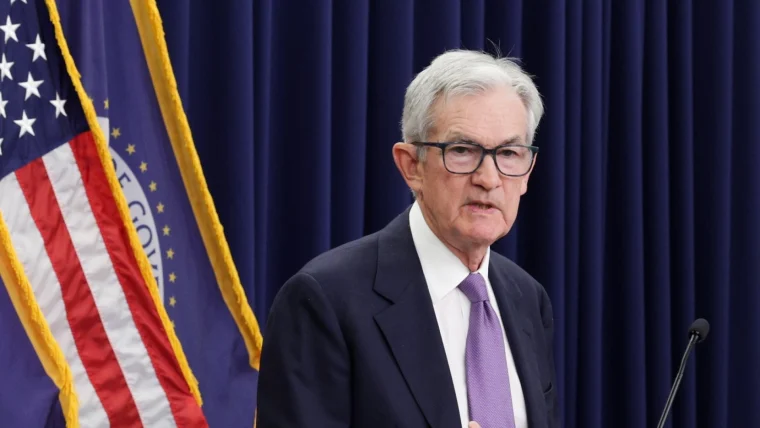
The Federal Reserve adds another layer of uncertainty. After three rate cuts in late 2025 bringing the benchmark to 3.5-3.75%, officials signal caution ahead. With Jerome Powell’s term ending in May and a new chair likely on the horizon, markets anticipate only limited easing – perhaps two cuts total in 2026. Persistent inflation concerns and a solid labor market could keep rates higher for longer, pressuring valuations already at elevated levels.

Analysis: The potential economic effects of Trump’s tariffs and …
While the bull market shows resilience, these dual pressures from trade policy and monetary restraint raise questions about sustainability. Investors will closely watch upcoming jobs data and earnings season for clues on whether 2026 delivers another banner year – or a reality check.