

Trump’s September 2025 moves drive market volatility.
In a whirlwind of executive actions, President Donald Trump has been reshaping economic policies from the White House, with significant implications for investors across the board. From opening retirement accounts to alternative investments to imposing broad tariffs, these moves aim to bolster American industry but have sparked market volatility and debate among economists. Here’s a breakdown of the key developments and how they’re affecting portfolios.
Executive Order on 401(k) Investments
One of the most talked-about actions is Trump’s August 7 executive order allowing 401(k) plans to include cryptocurrencies, private equity, and other alternative assets previously deemed too risky for average Americans. The White House frames this as democratizing access to high-return opportunities, potentially enabling better diversification and higher yields for retirement savers.
For investors, this could mean expanded options in volatile but high-growth areas like crypto and real estate. Proponents argue it aligns with Trump’s pro-business agenda, drawing lobbying from firms like BlackRock and Apollo Global Management. However, critics warn of increased risks, including the potential for fund managers to invest recklessly without fear of lawsuits, exposing trillions in retirement savings to market downturns. As of early September, this has contributed to jittery markets, with some seeing it as a boon for Wall Street at the expense of Main Street.
Tariffs and Trade Policies
Trump has ramped up tariffs on imports from dozens of countries, targeting those he accuses of discriminating against U.S. tech giants like Google and Meta. A recent judicial ruling deeming some tariffs illegal led to a sharp market sell-off, with the Dow dropping over 500 points. Additional levies on products from India and others have heightened global trade tensions.
Investors are feeling the pinch through increased uncertainty. Tariffs could protect domestic industries, potentially benefiting U.S. manufacturers and related stocks, but they’ve paralyzed foreign investment decisions and driven up costs for importers. Economists note this chaos may deter long-term business investments, bleeding into broader economic growth and pressuring sectors like tech and consumer goods.
Attracting Foreign Investments and Government Stakes
On a positive note, the administration touts a “Trump Effect” with major commitments, including $1.4 trillion from the UAE, as part of efforts to bring manufacturing back home. Trump has also pushed for U.S. government stakes in companies like Intel, signaling a shift toward more interventionist policies.
This could boost investor confidence in key sectors like semiconductors, with potential for stock rallies in firms receiving federal support. Yet, conservatives and free-market advocates criticize it as veering into socialism, undermining traditional GOP principles and introducing unpredictability.
Federal Reserve Interference
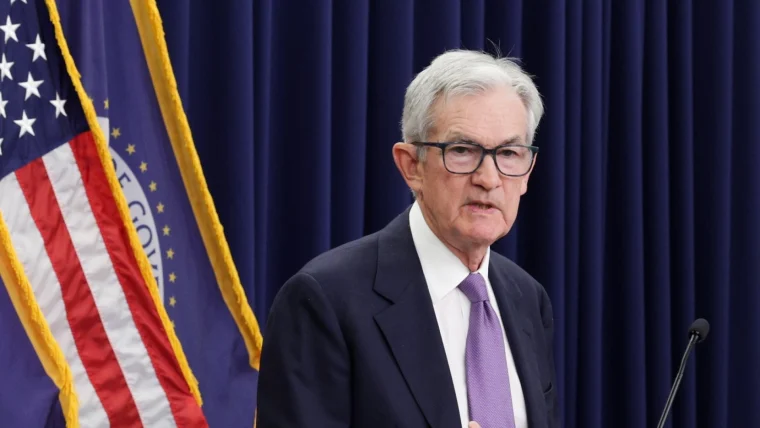
Trump’s attempt to fire Fed Governor Lisa Cook over alleged document issues has escalated his push for control over monetary policy, potentially testing Supreme Court boundaries. Combined with jawboning on interest rates, this adds to investor nerves about inflation and borrowing costs.
While aimed at aligning the Fed with pro-growth goals, such moves risk eroding central bank independence, leading to higher volatility in bonds and equities.
Overall Market Impact
As of September 4, 2025, these actions have led to mixed results: Attracting billions in pledges while causing short-term sell-offs amid uncertainty. Investors should monitor sectors like tech (vulnerable to tariffs) and alternatives (boosted by 401(k) changes). Diversification remains key, but with 198 executive orders already signed, expect more shifts.
In summary, Trump’s bold strokes could supercharge U.S. economic resurgence if successful, but the immediate turbulence underscores the need for cautious portfolio adjustments.