

In the opening weeks of October 2025, the Trump administration has navigated a contentious government shutdown while advancing a series of executive actions aimed at reshaping U.S. economic policy. With a focus on trade, federal spending, and regulatory reforms, these steps reflect President Donald Trump’s emphasis on America-first priorities amid ongoing fiscal battles in Congress. Here’s a breakdown of the major developments from October 1-15, drawing on official announcements and economic analyses.
The federal government shutdown, now entering its third week as of October 18, has dominated the administration’s agenda. Triggered by disputes over border security funding and spending cuts, the impasse has furloughed approximately 750,000 federal workers daily, according to estimates from the Congressional Budget Office. The White House has used the shutdown to push for deeper reductions, aligning with elements of Project 2025—a conservative blueprint for government restructuring that Trump distanced himself from during the 2024 campaign but has since embraced for efficiency measures. This includes initiating “reductions in force” (RIFs) for federal employees and freezing new hires, moves designed to trim bureaucracy and redirect funds.
On the trade front, a major escalation occurred with China’s announcement of sweeping export controls effective November 1, prompting swift retaliation from the U.S. President Trump imposed a 100% tariff on all Chinese imports—on top of existing duties—starting the same date, alongside new export controls on critical U.S. software. This tit-for-tat could raise costs for American consumers and businesses reliant on Chinese goods, but administration officials argue it protects domestic industries and bolsters national security. Revenue from ongoing tariffs has been repurposed creatively, including funding the Women, Infants, and Children (WIC) nutrition program after Democrats cut its allocation during shutdown negotiations.
Fiscal adjustments have also been front and center. The IRS released 2026 tax bracket updates, providing clarity for taxpayers amid broader tax policy extensions from Trump’s earlier term, such as no taxes on tips, overtime, or Social Security benefits. Additionally, the administration withheld billions in federal grants from sanctuary cities, enforcing immigration compliance and redirecting those funds toward border security. A federal judge upheld this move, potentially saving taxpayers millions while pressuring non-compliant jurisdictions.
Energy and regulatory reforms continued apace. Building on earlier approvals for record drilling permits, the administration advanced policies to boost domestic production, contributing to lower gas prices in several states. Efforts to dismantle diversity, equity, and inclusion (DEI) programs in federal agencies progressed, with executive orders purging related funding—part of a broader push to eliminate what the White House calls “wasteful initiatives.”
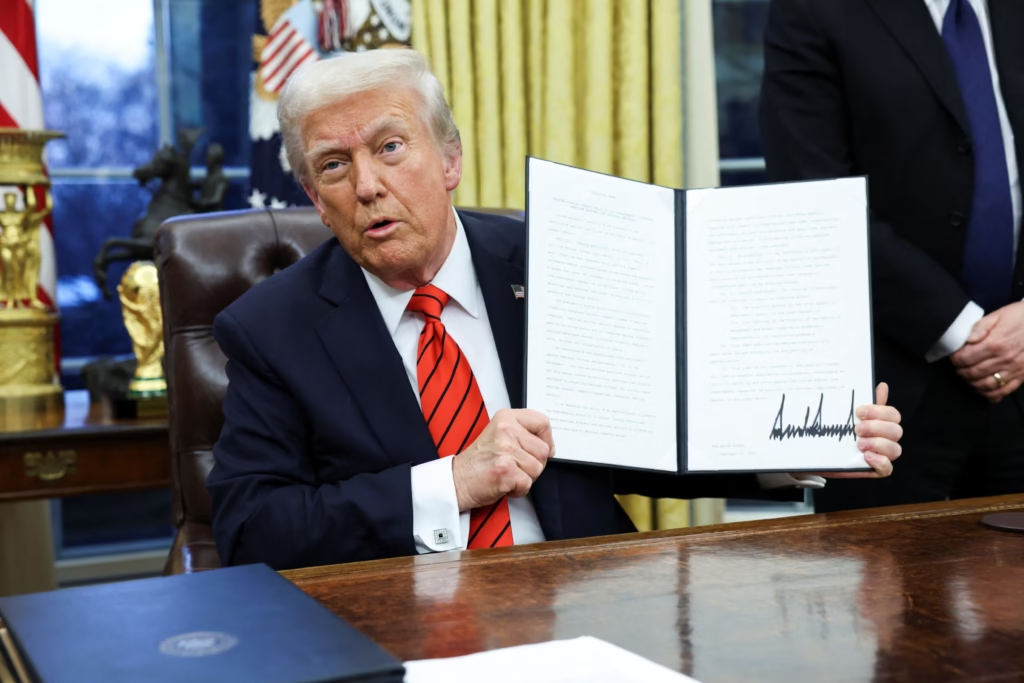
By October 15, Trump had signed 210 executive orders in his second term, including revisions to reciprocal tariffs on critical minerals and pharmaceuticals. These actions, tracked by sources like the Federal Register and policy firms, underscore a rapid pace of change aimed at economic resurgence. However, critics warn of potential disruptions, including higher inflation from tariffs and workforce instability from shutdown-related layoffs.
As markets digest these shifts—rare earth stocks rose amid trade tensions, while some sectors like auto loans faced pressure—the administration’s strategy appears geared toward long-term self-sufficiency. Investors should monitor upcoming tariff implementations and shutdown resolutions for broader economic ripple effects.