


As the year winds down, this week delivered a pivotal Federal Reserve decision, tragic acts of violence, renewed geopolitical flare-ups, and market swings driven by policy and profit concerns. These developments ripple through borrowing costs, energy supplies, public safety perceptions, and investor sentiment—impacting stock portfolios, holiday spending, travel plans, and household security amid ongoing global uncertainties.
Here are the top 20 stories from December 8-14, with in-depth explanations of the events and their real-world implications for investors and regular people:
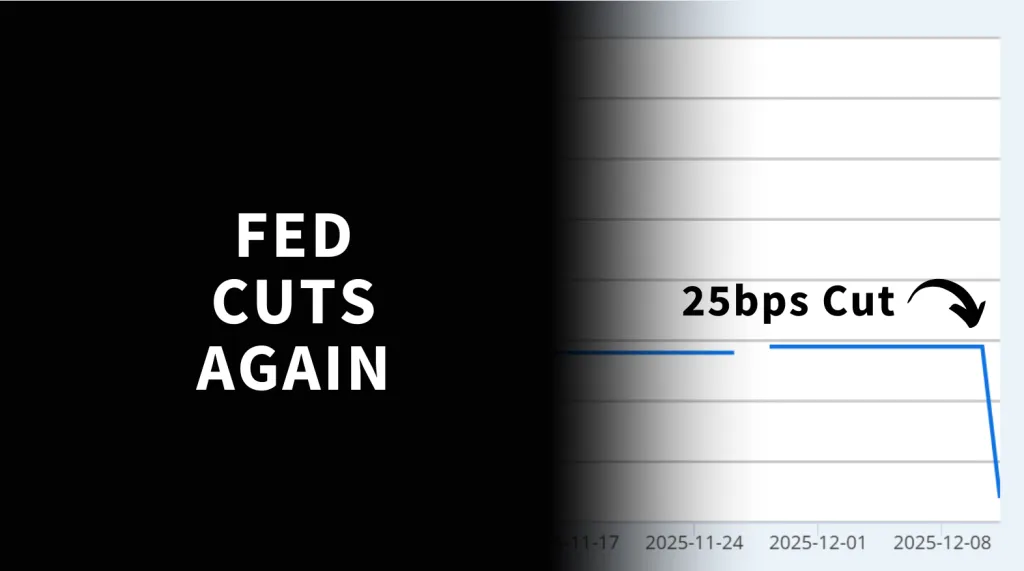
- Federal Reserve Cuts Rates for Third Time in 2025 – The Fed lowered its benchmark rate by 25 basis points to 3.5%-3.75% on December 10 in a divided 9-3 vote, citing balanced risks between inflation and labor market weakness. Stocks rallied initially, with the Dow and S&P 500 hitting records, but gains moderated as officials signaled potentially fewer cuts ahead in 2026. This move eases mortgage and auto loan rates for consumers while supporting corporate borrowing, but persistent inflation warnings could limit further relief and cap equity upside.
- Terrorist Attack at Bondi Beach Hanukkah Celebration – Gunmen targeted a “Chanukah by the Sea” event in Sydney on December 14, killing at least 12-15 people (including one attacker) and injuring dozens in Australia’s worst mass shooting in decades. Declared a terrorist act against the Jewish community, it involved a father-son duo, with one killed by police. Heightened global security fears may boost defense and cybersecurity stocks while dampening tourism, airlines, and consumer confidence in public gatherings.
- Mass Shooting at Brown University – A gunman opened fire in an engineering building on December 13-14, killing two students and wounding nine others before a person of interest was detained. This tragedy reignites debates on campus safety and gun violence, potentially influencing public sentiment, insurance costs, and indirect pressure on education-related investments.
- Thailand-Cambodia Border Conflict Escalates – Thai airstrikes targeted Cambodian positions, killing civilians and soldiers, shattering a U.S.-brokered truce over disputed territory. The flare-up raises risks of prolonged instability in Southeast Asia, threatening disruptions to electronics and manufacturing supply chains critical for global tech firms and consumer goods prices.
- Massive Protests Erupt in Brazil – Tens of thousands demonstrated on December 14 against a bill that could shorten former President Jair Bolsonaro’s prison sentence, exposing deep political divisions. This underscores volatility in Latin America’s biggest economy, posing risks to emerging market bonds, commodities like soy, and investor appetite for Brazilian assets.
- Trump Administration Rolls Out $12 Billion Farmer Aid – Announced amid trade tensions, the package provides tariff relief and direct support to U.S. farmers, with mixed reactions from Black farmers highlighted at a council meeting. It bolsters agribusiness stocks and stabilizes rural incomes but contributes to broader fiscal deficit worries that could pressure Treasury yields.
- Syria Marks Anniversary of Assad Regime’s Fall – Celebrations on December 12 coincided with lifted international sanctions, signaling potential reopening for reconstruction and energy projects. This creates emerging investment opportunities in Middle East infrastructure while monitoring stability risks.
- Guatemalan Government Declares State of Emergency – President Bernardo Arévalo imposed measures in western regions following armed attacks on security forces, reflecting growing insecurity. This highlights migration drivers and risks to Central American stability, indirectly affecting U.S. border policies and related investments.
- Russia-Ukraine War Sees Continued Intensifications – Ukrainian drone strikes damaged Russian ports and infrastructure, while Russian advances persisted amid harsh winter conditions. Ongoing volatility sustains elevated global oil and grain prices, impacting energy bills and food inflation worldwide.
- Sudan Civil War: Brutal Strikes on Civilian Areas – Drone attacks targeted oil fields and even a kindergarten, killing dozens including children and deepening the humanitarian crisis. Disruptions to Sudanese oil exports add upward pressure on global crude prices and exacerbate refugee flows.
- Turkish Warnings of Offensive Against Kurdish SDF in Syria – Ankara threatened joint action with Damascus if the SDF fails to integrate by year-end, potentially reigniting conflict in oil-rich northeast Syria. This could further destabilize regional energy flows and safe-haven asset demand.
- U.S. Stocks Post Records Amid AI Valuation Concerns – Indexes like the S&P 500 and Dow hit highs post-Fed cut but retreated on profit-taking in AI-heavy names like Oracle, with Nasdaq closing at multi-week lows. Fears of an “AI bubble” drive rotation to value sectors, affecting tech-dominated portfolios.
- Golden Globe Nominations Spark Entertainment Buzz – “One Battle After Another” dominated with nine nods, fueling speculation on media mergers like Paramount-Warner Bros. This stirs volatility in entertainment stocks amid industry consolidation trends.
- Lando Norris Secures Formula One Championship – The McLaren driver claimed the title in a thrilling season finale, providing a feel-good sports milestone that subtly boosts consumer morale and motorsport sponsorship spending.
- Potential Delays in U.S. Economic Data Releases – Lingering effects from government disruptions create backlogs in key jobs and inflation reports, injecting uncertainty into Fed watching and market forecasting.
- U.S. Consumer Sentiment Shows Modest Improvement – The University of Michigan index ticked higher, signaling cautious optimism for retail and holiday spending despite economic crosscurrents.
- Rumors Heat Up on Major Media Deals – Talks involving Paramount, Warner Bros., and others gain traction, exciting investors in streaming and traditional media amid shifting viewer habits.
- Bond Yields Rise on Growing Fiscal Concerns – Longer-term Treasuries climbed amid deficit debates, squeezing growth stocks and raising borrowing costs for businesses and homebuyers.
- Small-Cap Stocks Rally Strongly – The Russell 2000 surged to records on expectations of lower rates benefiting domestic-focused companies, highlighting a market shift away from mega-cap tech.
- Global Yield Curves Continue Steepening – Reflecting mixed signals on growth and inflation, this dynamic influences fixed-income strategies and signals potential rotation in equity markets worldwide.
These events highlight a fragile global landscape: policy easing offers relief, but violence and conflicts remind us of enduring risks. Stay vigilant on Fed guidance, energy markets, and security trends heading into 2026.