

As 2025 comes to a close with persistent geopolitical strains, market volatility driven by AI enthusiasm, central bank shifts, and energy supply concerns, here are the top 10 most critical news developments shaping the world. These events have profound effects on stock markets, commodity prices, inflation, and household budgets worldwide.
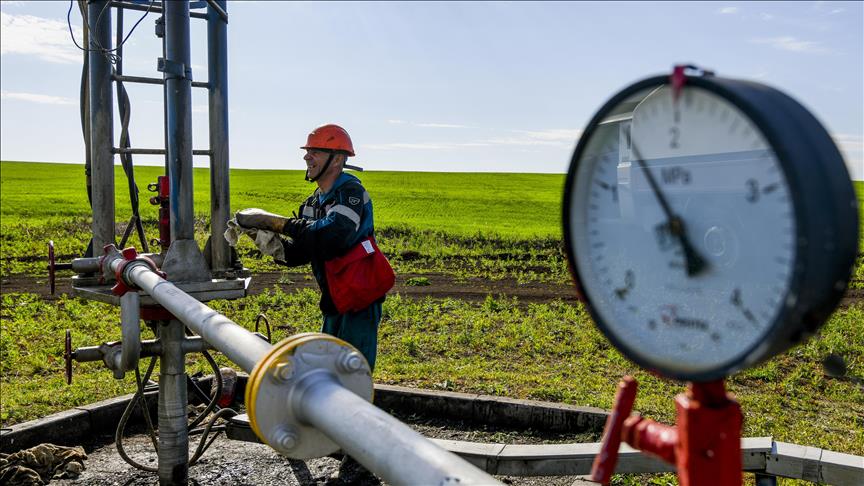
- U.S. Intercepts Sanctioned Venezuelan Oil Tanker Amid Escalating Pressure U.S. authorities interdicted another sanctioned Venezuelan oil tanker in international waters, marking the third such action in recent weeks as part of intensified enforcement against the Maduro regime. China, Venezuela’s primary buyer, could face disrupted imports, tightening global crude supplies and contributing to upward pressure on oil prices—already climbing amid these risks. For investors, this supports energy stocks and inflation hedges like commodities, while consumers may see higher gasoline costs heading into 2026.
- Massive U.S. Retaliatory Strikes Target Over 70 ISIS Sites in Syria The U.S. military conducted extensive airstrikes on more than 70 Islamic State-linked targets in central Syria following an attack on American forces. This escalation highlights ongoing Middle East instability, often boosting defense contractors’ shares (e.g., Lockheed Martin, Raytheon) while raising fears of broader conflict that could disrupt oil routes and elevate energy prices, impacting global transportation and manufacturing costs.
- U.S. Intelligence: Putin Remains Committed to Full Control of Ukraine Fresh U.S. assessments confirm Russian President Vladimir Putin’s unchanged goal of dominating all of Ukraine and influencing beyond its borders, with no signs of compromise despite ongoing peace talks. The prolonged conflict continues to disrupt Ukrainian grain exports and European energy flows, sustaining elevated food and fuel prices worldwide. Investors face ongoing risks to agricultural commodities and European equities, while prolonged war strains global supply chains.
- North Korea Warns Against Japan’s Alleged Nuclear Ambitions Pyongyang issued strong statements urging curbs on Japan’s purported nuclear weapon development, amid heightening tensions in Asia. Such rhetoric threatens disruptions to critical tech supply chains, particularly semiconductors vital for AI and electronics industries. This could pressure stocks in companies like Nvidia and TSMC, while amplifying safe-haven demand for assets like gold and the U.S. dollar.
- Wall Street Caps Volatile Week with Gains on AI and Tech Rally Major indexes closed higher, with the S&P 500 and Nasdaq posting modest weekly advances led by Oracle, Nvidia, and Micron amid renewed AI optimism. Despite a roller-coaster year marked by tariff fears and rate uncertainties, high valuations persist—signaling potential caution for 2026 returns. Tech-heavy portfolios benefited, but broader market rotation into value and small caps lagged, highlighting sector divergences.
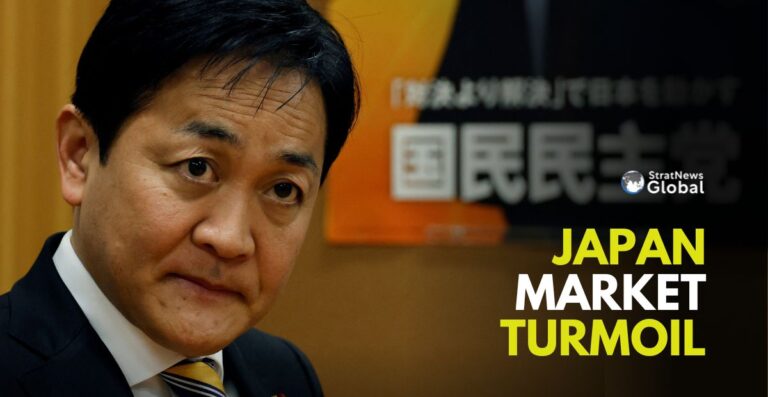
- Bank of Japan Hikes Rates to 30-Year High, Signaling Policy Shift The BOJ further raised interest rates, weakening the yen and marking the end of decades of ultra-loose policy. This prompted rises in global bond yields, increasing borrowing costs for corporations and governments alike. Export-reliant economies face headwinds, while investors monitor spillover effects on emerging markets and potential slowdowns in global growth.
- Oil Prices Rise on Venezuelan Disruptions and Geopolitical Risks Crude benchmarks climbed as traders weighed U.S. actions against Venezuelan shipments alongside ongoing Russia-Ukraine dynamics and Middle East frictions. With floating storage at record levels but sanctions tightening supply, energy prices remain supported—directly hitting consumer wallets through higher fuel and heating costs while bolstering profits for oil majors like Exxon and Chevron.
- Chinese Stocks Decline Amid Weak Economic Indicators Asia-Pacific markets cooled as disappointing data underscored China’s growth slowdown, weighing on commodities and multinational firms with heavy exposure. As the world’s second-largest economy grapples with property woes and subdued demand, this drags on global trade, raw materials like copper and iron ore, and earnings for exporters—prompting caution for diversified portfolios.
- Israeli Cabinet Approves 19 New West Bank Settlements Israel’s government advanced plans for 19 new settlements in the occupied West Bank, explicitly aimed at preventing a contiguous Palestinian state. Renewed friction in the region risks escalating unrest, often driving safe-haven flows into gold, Treasuries, and the Swiss franc while pressuring riskier assets like equities amid fears of broader Middle East instability affecting energy routes.
- Russian Missile Strike on Dnipro Kills Four, Injures Dozens A Russian Iskander missile hit Dnipro, Ukraine, resulting in civilian casualties and infrastructure damage, underscoring the war’s ongoing intensity. Such attacks exacerbate humanitarian crises, disrupt Black Sea grain shipments, and contribute to global food inflation—impacting emerging market currencies and agricultural stocks while reinforcing the need for diversified, resilient investments.
These stories highlight a landscape of enduring uncertainties—from energy vulnerabilities to technological booms and territorial disputes—that continue to influence investment decisions and daily living expenses. Markets remain resilient but vigilant as year-end approaches.