

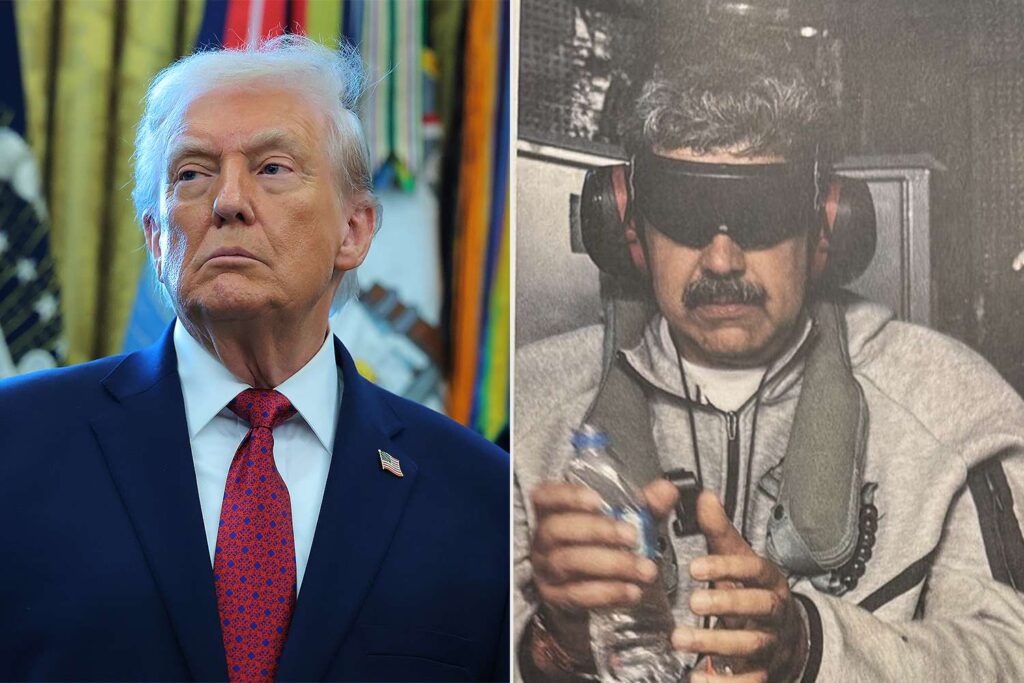
In a stunning turn of events, U.S. forces captured Venezuelan President Nicolás Maduro and his wife, Cilia Flores, during a large-scale military operation in Caracas on January 3, 2026. Maduro, who has led Venezuela since 2013, is now detained in New York awaiting a federal court appearance on Monday, facing serious charges that could reshape the nation’s future. This development marks the culmination of years of political turmoil, economic devastation, and escalating tensions with the United States.
Maduro’s presidency began after the death of his mentor, Hugo Chávez, inheriting a nation rich in oil but plagued by deepening divisions. Under his rule, Venezuela experienced one of the most severe economic collapses in modern history. Hyperinflation soared to over 1 million percent in 2018, while GDP plummeted by more than 75% between 2013 and 2021, according to international estimates. The nationalized oil industry, once the backbone of the economy, crumbled due to mismanagement, corruption, and U.S. sanctions, reducing production from over 3 million barrels per day to under 1 million. This led to widespread shortages of food, medicine, and basic goods, triggering a humanitarian crisis that forced over 8 million Venezuelans—about a quarter of the population—to flee the country in the largest mass migration in the Western Hemisphere’s recent history.
The economic woes were compounded by political repression. Maduro’s 2018 reelection was widely condemned as fraudulent, leading many countries, including the U.S., to recognize opposition leader Juan Guaidó as interim president in 2019. U.S. sanctions intensified, targeting Venezuela’s oil exports and freezing assets, further isolating the regime. These measures aimed to pressure Maduro but also exacerbated the crisis, with allegations that the government used the country’s vast gold reserves—estimated at over 160 tons—to evade sanctions by trading for weapons, fuel, and cash from allies like Russia and Iran.
Tensions with the U.S. escalated dramatically under President Donald Trump, who viewed Maduro as a key adversary in the Americas. In March 2020, the U.S. Department of Justice indicted Maduro and top officials on narco-terrorism charges, accusing them of conspiring with Colombian guerrilla groups like the FARC to flood the U.S. with cocaine as part of a “Cartel of the Suns” operation. The indictment detailed corruption, drug trafficking, and money laundering, with a bounty initially set at $15 million, later raised to $50 million in August 2025 amid renewed pressure.
The lead-up to Maduro’s capture involved a monthslong campaign by the Trump administration. U.S. forces built up a significant military presence off Venezuela’s coast, conducting strikes on suspected drug boats. This was framed as combating narco-terrorism but was widely seen as a push for regime change. Maduro’s alliances with U.S. adversaries—China as a major oil buyer, Iran and Hezbollah through an “Axis of Unity,” and Russia for military support—further fueled Washington’s resolve. Additionally, accusations linked Maduro to gangs like Tren de Aragua and the Sinaloa Cartel, with claims that his regime supported their activities, including sending members to the U.S. border amid immigration concerns.
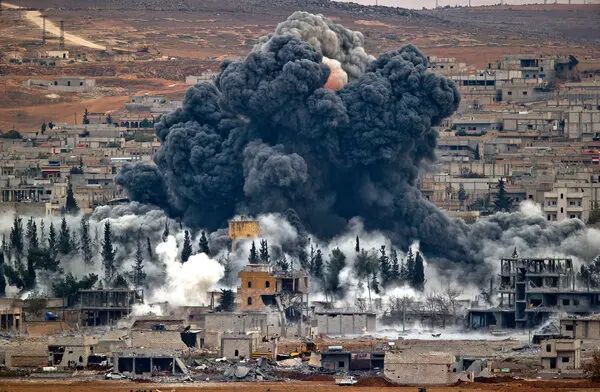
The operation itself unfolded swiftly on January 3. U.S. aircraft—around 150 in total—dismantled Venezuelan air defenses, paving the way for helicopters to deploy troops in Caracas. The mission lasted about two hours and 20 minutes, encountering resistance that resulted in at least 80 deaths, including Venezuelan military and civilians, as well as 32 Cubans aiding the regime. Maduro and Flores reportedly “gave up” and were transported to the USS Iwo Jima before being flown to New York.
Maduro is now in jail in Brooklyn, New York, facing federal charges in the Southern District of New York, including narco-terrorism, conspiracy to import cocaine, corruption, money laundering, and possession of machine guns and destructive devices. These stem from the 2020 indictment, unsealed after his capture, alleging he used his power to facilitate drug shipments worth billions, corrupting Venezuela’s institutions for personal gain.
The economic implications are profound. Venezuela holds the world’s largest proven oil reserves, but its industry has been in tatters. President Trump has stated that the U.S. will “run” the country temporarily, with American oil companies stepping in to revive production and compensate for past seizures of U.S. assets during nationalization. This could stabilize global oil markets but raises questions about sovereignty and potential exploitation. Gold mining operations may also come under scrutiny, as they were key to sanctions evasion. For investors, this signals potential opportunities in Venezuelan resources but amid significant geopolitical risks, including protests against the intervention and reactions from allies like China and Russia.
As Venezuela enters this uncertain chapter, the capture of Maduro could pave the way for economic recovery or further instability, depending on the transitional governance and international support.