


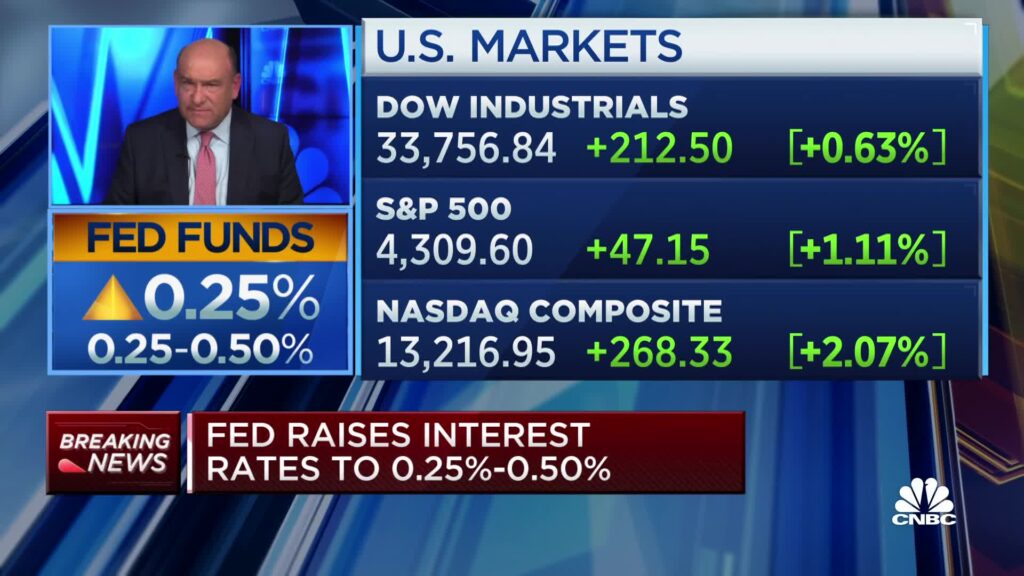
Visualizing the Fed's recent rate adjustments and their market effects.

The Federal Reserve building with interest rate charts illustrating recent policy shifts.
In a move that has rippled through financial markets, the Federal Reserve cut its benchmark interest rate by 25 basis points on September 17, 2025, bringing the federal funds rate to a target range of 4.00% to 4.25%. This marks the first rate reduction since December 2024 and follows a hold at 4.50% in July 2025, as the central bank responds to cooling inflation and signs of a softening labor market. With another potential cut eyed for the October 28-29 meeting, investors are recalibrating their long-term strategies amid expectations of a federal funds rate dipping to around 3.50%-3.75% by the end of the year.
The Fed’s easing cycle, projected to continue into 2026 with rates potentially stabilizing at 3.4% in the longer run, aims to support economic growth while keeping inflation near its 2% target. However, uncertainty lingers: Core inflation measures remain elevated, with the Consumer Price Index up 3.1% year-over-year excluding food and energy, influenced by factors like tariffs. This backdrop suggests that while short-term rates are falling, longer-term Treasury yields may stay “higher for longer” due to persistent fiscal deficits and geopolitical risks, demanding higher risk premiums from investors.
For long-term investors, these shifts underscore the value of patience over reactive moves. Lower rates typically boost bond prices, making fixed-income assets like investment-grade credit more appealing—they offer compelling yields (around 0.7% spreads for investment grade) with lower volatility than extending duration in Treasuries. Credit sectors could provide a buffer against potential bond price declines, especially as economic growth remains intact.
Equities, particularly in growth-oriented areas, stand to benefit as borrowing costs drop, encouraging corporate investment and consumer spending. Small-cap stocks, which have struggled with higher short-term debt burdens in a high-rate environment, may see relief and renewed momentum. Meanwhile, a softer U.S. dollar from rate cuts has already fueled rallies in gold and emerging-market currencies, positioning these as hedges against inflation or currency weakness.
Yet, the $7 trillion in cash-equivalent holdings signals caution—much of this “wall of cash” may shift into riskier assets as yields on money markets decline, but only gradually. Historical cycles show that aggressive easing can signal economic headwinds, so diversification remains key: Consider bond laddering to manage interest rate risk, tilting toward quality growth stocks, and exploring international markets where conditions like Taiwan’s upgraded 4.6% GDP forecast offer opportunities.
As the Fed navigates this path, long-term strategies should prioritize resilience. Rushing into high-risk bets amid potential inflation rebounds could prove costly; instead, a measured approach—focusing on sectors with strong fundamentals—positions portfolios for sustainable gains in a structurally evolving rate landscape.






Thanks for sharing. I read many of your blog posts, cool, your blog is very good. https://accounts.binance.com/ar/register-person?ref=53551167